Roofing Contractor Insurance in California
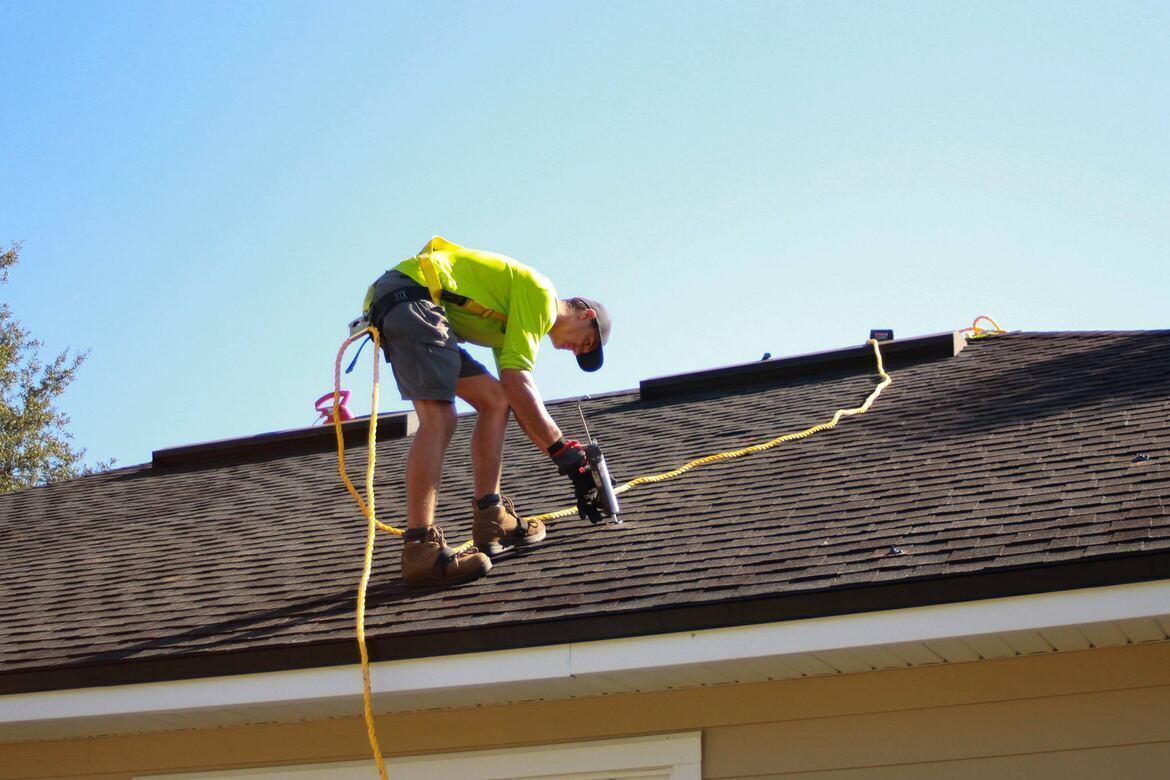

Roofing contractors in California face some of the construction industry’s most serious risks. Falls, employee injuries, water intrusion, property damage, vehicle accidents, stolen equipment, and completed operations claims can create significant financial exposure.
Whether you install residential roofs, repair commercial roofing systems, perform roof inspections, or specialize in flat roofs and waterproofing, the right roofing contractor insurance helps protect your business, your employees, and the work you complete.
At ECHO Business Insurance Services, we help roofing contractors build insurance programs based on their services, payroll, project types, vehicles, equipment, subcontractor use, and contractual requirements.
Roofing contractors regularly work at elevated heights, transport valuable materials, use specialized equipment, and perform work that protects buildings from weather and water intrusion. These exposures require insurance designed specifically around roofing operations.
As an independent insurance agency, we compare coverage options from multiple insurance carriers to help design policies that reflect how your roofing business actually operates.
We review the types of roofing systems you install, residential and commercial work, employee duties, payroll, revenue, subcontractor costs, vehicles, equipment, and certificate requirements before recommending coverage.
Roofing contractors may face claims involving:
A properly structured insurance program can help reduce the financial impact of these risks and support your ability to qualify for residential and commercial roofing projects.
Depending on your operations, roofing contractor insurance may include:
Not every roofing contractor needs every coverage. Our role is to help identify the policies, endorsements, and limits that match your operations and contractual obligations.
We work with roofing contractors involved in:
Roofing work regularly involves ladders, scaffolding, lifts, steep slopes, and elevated work areas. A serious fall can lead to medical expenses, lost wages, project delays, and increased workers’ compensation costs.
A strong risk-management program may include:
Your workers’ compensation policy should accurately reflect employee duties, payroll, and the roofing operations performed.
Some roofing claims arise after the work is complete. A leak may not become visible until the next storm, potentially causing damage to ceilings, drywall, flooring, furniture, inventory, or electrical systems.
Examples may include:
Roofing contractors should review whether their General Liability policy includes appropriate completed operations coverage and understand any exclusions that may affect their work.
Some roofing operations involve hot asphalt, welding, heat guns, or torch-applied materials. These activities can create significant fire exposure, especially when performed near combustible construction materials.
Roofing contractors performing hot work should disclose those operations accurately and follow required fire-prevention procedures. Some insurance carriers restrict or exclude certain hot-work activities, making accurate underwriting information especially important.
Roofing businesses depend on trucks and trailers carrying ladders, generators, compressors, safety equipment, tools, and materials. Theft, vehicle accidents, or damage to equipment can interrupt operations and delay projects.
Your insurance program should reflect the value of your vehicles, tools, equipment, and roofing materials, along with how they are transported and stored.
Roofing contractors may use subcontractors or temporary crews to complete projects. If a subcontractor causes an injury, property damage, or installation defect, your business may still be brought into the claim.
A strong subcontractor risk-transfer process may include:
Subcontractor insurance should be verified before work begins and reviewed again when policies renew.
General contractors, developers, property managers, HOAs, building owners, and commercial clients may require specific insurance limits and endorsements before roofing work begins.
Common requirements may include:
We help review insurance requirements and issue Certificates of Insurance so you can meet project obligations and avoid unnecessary delays.
Roofing is considered a higher-risk contracting class, and not every insurance carrier is willing to insure every type of roofing operation. Carrier appetite may depend on residential versus commercial work, subcontractor use, project size, claims history, payroll, and the roofing systems installed.
Unlike captive agencies that represent only one insurance company, we work with multiple carriers. This allows us to compare options based on your actual roofing operations.
Working with ECHO Business Insurance Services may help you:
Our goal is to make roofing contractor insurance clear, coordinated, and aligned with how your business operates.
Coverage commonly includes General Liability, Workers’ Compensation, Commercial Auto, Tools and Equipment, Contractor Bonds, and Commercial Umbrella Insurance. Installation Floater, Builders Risk, or Professional Liability coverage may also be appropriate depending on the work performed.
Roofing contractors are subject to California workers’ compensation requirements that may apply regardless of employee status. Current requirements should be confirmed based on the contractor’s license classification, business structure, and CSLB rules.
General Liability may help cover certain resulting property damage caused by covered roofing work. It generally does not pay to correct the contractor’s own defective work. Coverage depends on policy terms, exclusions, endorsements, and the circumstances of the claim.
Tools, equipment, and materials may be covered under Inland Marine, Contractor’s Equipment, or Installation Floater coverage, subject to policy terms, limits, deductibles, and security requirements.
Many General Liability policies allow general contractors, developers, property managers, HOAs, or property owners to be added as Additional Insureds when required by a written contract, subject to policy terms and available endorsements.
A policy may cover both residential and commercial roofing operations when both are properly disclosed and accepted by the carrier. The percentage of each type of work, maximum project values, subcontractor use, and roofing systems installed may affect eligibility.
Roofing contractors manage elevated work, valuable materials, employees, vehicles, subcontractors, and customer property on every project. The right insurance program helps protect your business from jobsite injuries, property damage, equipment losses, vehicle accidents, and completed operations claims.
Whether you are starting a roofing business, hiring employees, adding vehicles, taking on larger projects, or reviewing an existing policy, our team is here to help.
Contact us to speak with an experienced business insurance advisor about Roofing Contractor Insurance in California.
For broader construction coverage information, visit our Contractors Insurance page to explore insurance solutions for contractors throughout California.