Electrical Contractor Insurance in California
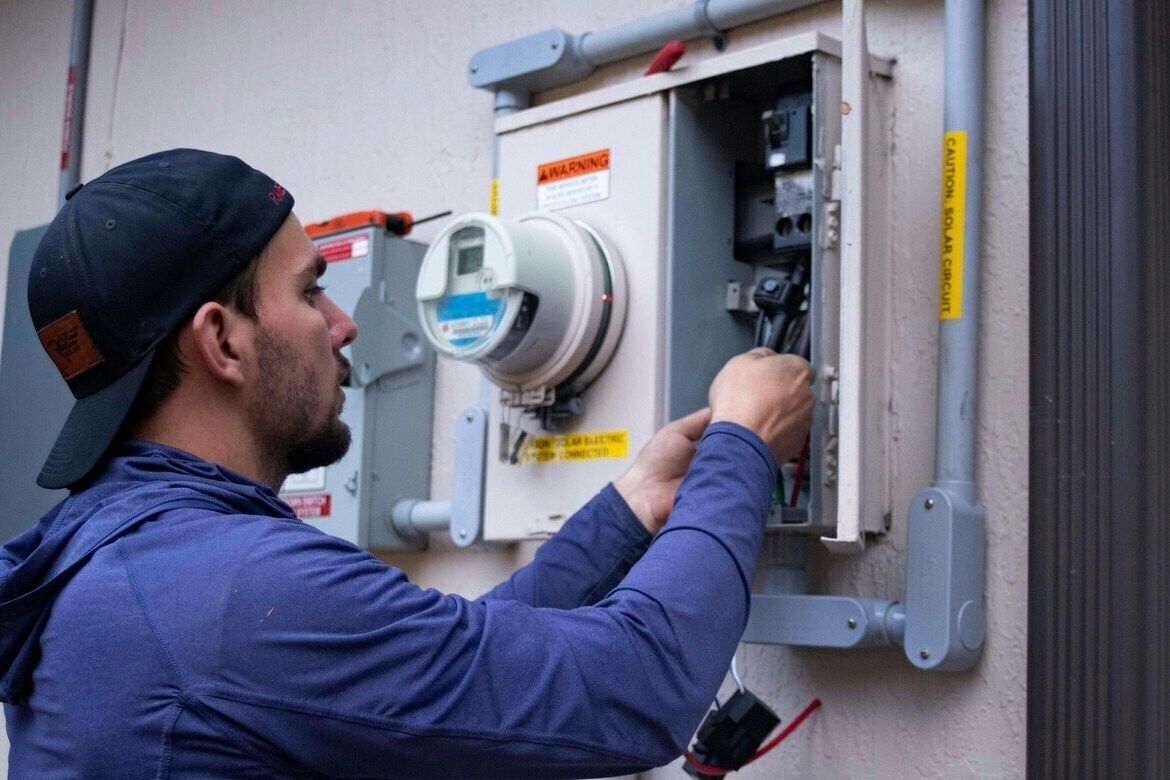

Electrical contractors in California face risks involving live wiring, electrical panels, fire hazards, jobsite injuries, customer property, vehicles, tools, and completed installations. A single accident, wiring defect allegation, or property damage claim can create significant financial exposure.
Whether you perform residential service work, commercial electrical installations, tenant improvements, panel upgrades, solar connections, or EV charger installations, the right electrical contractor insurance helps protect your business, your license, and the work you complete.
At ECHO Business Insurance Services, we help electrical contractors build insurance programs based on their actual operations, payroll, project types, equipment, vehicles, subcontractor use, and contractual requirements.
Electrical contractors often work alongside general contractors, HVAC contractors, plumbers, and solar installers on residential and commercial projects. Whether you specialize in new construction, tenant improvements, service work, or solar electrical systems, we'll help you build an insurance program that matches your operations.
Electrical contractors often work inside occupied homes, commercial buildings, construction sites, and industrial facilities. These environments can involve valuable property, multiple trades, strict contract requirements, and serious injury risks.
As an independent insurance agency, we compare coverage options from multiple top-rated carriers to help design policies that reflect how your electrical business actually operates.
We review the type of electrical work you perform, project values, employee duties, annual revenue, subcontractor costs, vehicle use, tools, and certificate requirements before recommending coverage.
Electrical contractors may face claims involving:
A properly structured insurance program can help reduce the financial impact of these risks and support your ability to qualify for new projects.
Depending on your operations, electrical contractor insurance may include:
Not every electrical contractor needs every coverage. Our role is to help identify the policies, endorsements, and limits that match your operations and contractual obligations.
We work with electrical contractors involved in:
Electrical contractors frequently work with other licensed trades during construction and renovation projects. Explore insurance solutions for related contractor specialties.
Electrical work can create significant completed operations exposure because a claim may occur months or years after a project is finished.
Examples may include:
Electrical contractors should review whether their General Liability policy includes appropriate completed operations coverage and whether any exclusions affect the work they perform.
Many electrical contractors are expanding into solar connections, EV charger installations, battery storage, generators, and energy-efficient electrical systems.
These services may create additional exposures involving:
Your insurance carrier should understand the full scope of your operations. Adding new services without updating your policy may create coverage concerns.
Electrical contractors may use subcontractors for trenching, low-voltage work, solar installation, excavation, or other project tasks. If a subcontractor causes an injury, property damage, or installation defect, your business may still be brought into the claim.
A strong subcontractor risk-transfer process may include:
Subcontractor insurance should be verified before work begins and reviewed again when policies renew.
General contractors, developers, property owners, landlords, and project managers may require specific insurance limits and endorsements before electrical work can begin.
Common requirements may include:
We help review insurance requirements and issue Certificates of Insurance so you can meet project obligations and avoid unnecessary delays.
Unlike captive agencies that represent only one insurance company, we work with multiple carriers. This allows us to compare options based on your electrical operations, project sizes, payroll, revenue, subcontractor use, equipment, and claims history.
Working with ECHO Business Insurance Services may help you:
Our goal is to make electrical contractor insurance clear, coordinated, and aligned with how your business operates.
Coverage commonly includes General Liability, Workers’ Compensation, Commercial Auto, Tools and Equipment, Contractor Bonds, and Commercial Umbrella Insurance. Installation Floater or Professional Liability coverage may also be appropriate depending on the work performed.
General Liability may help cover certain resulting property damage caused by covered electrical work, but it generally does not pay to repair or replace the contractor’s own faulty work. Coverage depends on policy language, exclusions, endorsements, and the circumstances of the claim.
Tools and testing equipment may be covered under Inland Marine or Contractor’s Equipment coverage while in transit, stored off-site, or used at job sites, subject to policy terms and limits.
Professional Liability may be appropriate when an electrical contractor provides design, consulting, specifications, engineering coordination, or other professional services.
Many General Liability policies allow general contractors, developers, landlords, or project owners to be added as Additional Insureds when required by a written contract, subject to policy terms and available endorsements.
A policy may cover both residential and commercial projects when both operations are properly disclosed and accepted by the insurance carrier. Larger or more complex projects may require additional underwriting or higher limits.
Electrical contractors manage technical work, valuable equipment, employees, vehicles, subcontractors, and customer property on every project. The right insurance program helps protect your business from jobsite accidents, fire and property damage claims, equipment losses, vehicle accidents, and completed operations exposures.
Whether you are starting an electrical contracting business, hiring employees, adding service vehicles, expanding into solar or EV charger work, or reviewing an existing policy, our team is here to help.
Contact us to speak with an experienced business insurance advisor about Electrical Contractor Insurance in California.
Looking for insurance for other contractor trades? Visit our Contractors Insurance page to explore coverage for general contractors and specialty trades throughout California.