
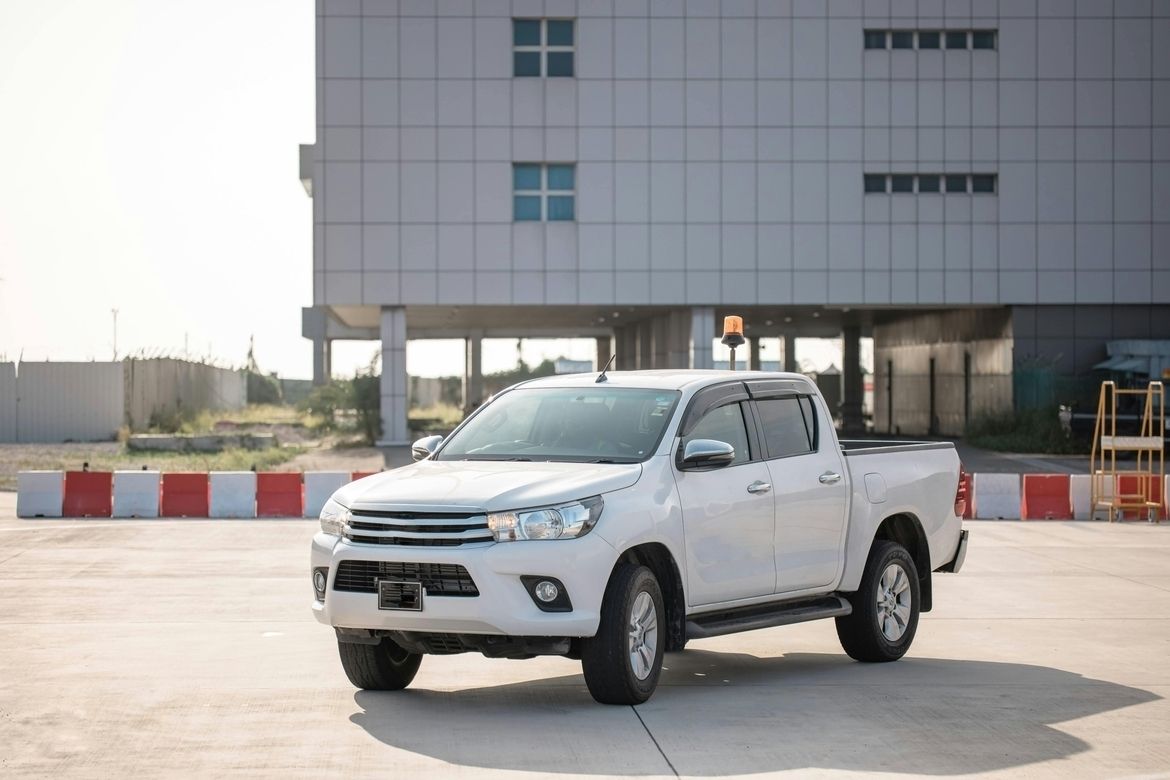
For many businesses in California, vehicles are far more than transportation. They are essential tools for daily operations — mobile offices for contractors, delivery vehicles for service companies, and the backbone of many local businesses.
Whether you are hauling equipment to a job site in San Diego or visiting clients across Southern California, the decision to lease or buy business vehicles affects your cash flow, taxes, and your commercial auto insurance coverage.
There is no universal answer. The right choice depends on how your business uses vehicles and how you prefer to manage expenses.
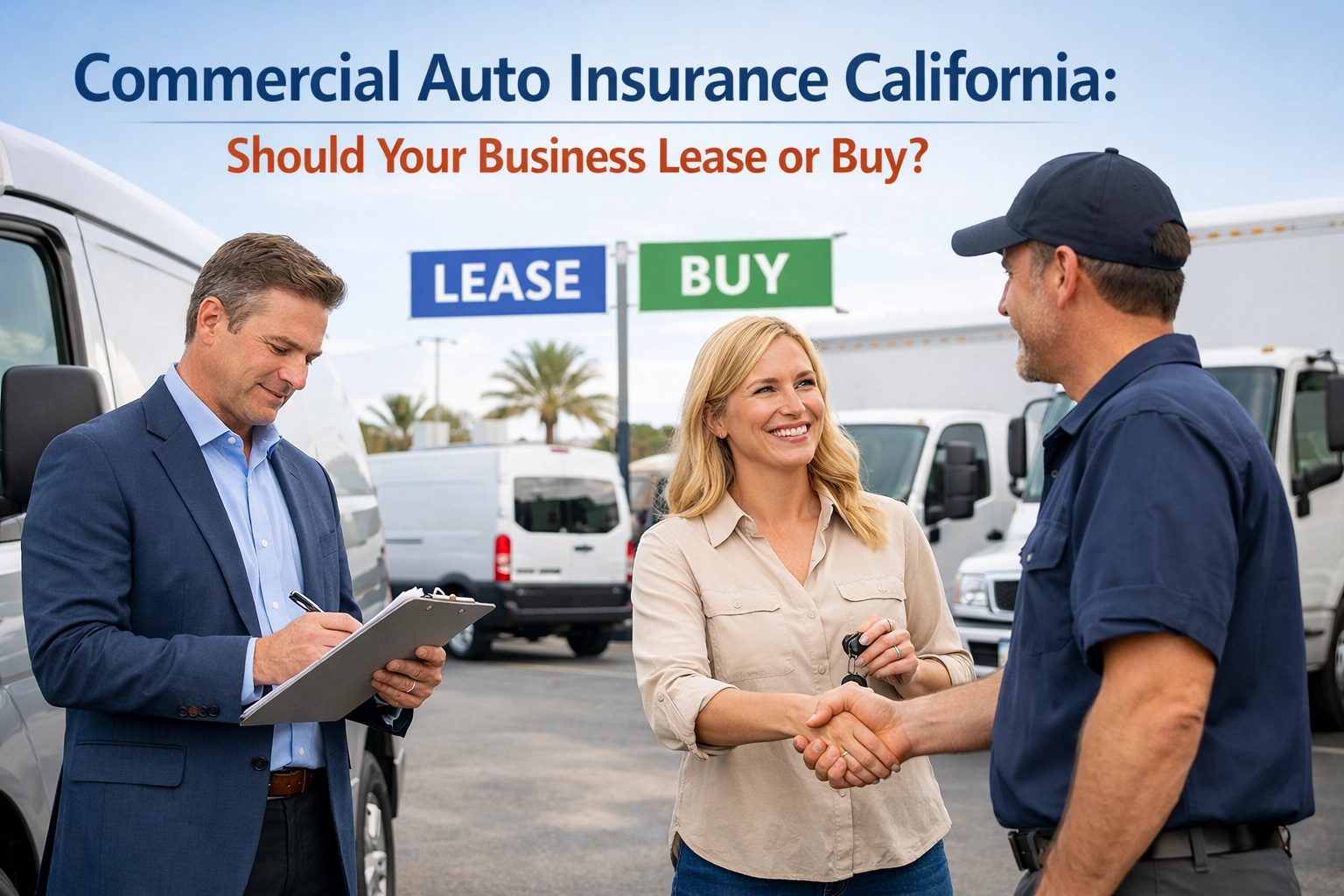
The Case for Leasing: Lower Upfront Costs and Flexibility
Leasing can be an attractive option for businesses that want predictable monthly costs and minimal upfront investment.
When you lease a vehicle, you are paying for depreciation during the lease period rather than the full purchase price.
Why Leasing May Work for Your Business
- Preserve working capital: Leasing typically requires a smaller down payment, allowing you to keep cash available for marketing, hiring, or equipment.
- Newer vehicles: Leasing allows businesses to update their fleet every few years and maintain a professional image on the road.
- Warranty protection: Many leased vehicles remain under manufacturer warranty during the lease term, reducing unexpected repair costs.
Potential Downsides of Leasing
Leases often include mileage limits and wear-and-tear restrictions. Businesses with heavy-duty usage — such as contractors or delivery companies — may exceed these limits and incur additional costs.
Tip: If you lease vehicles for business use, negotiate mileage limits that exceed your expected usage.
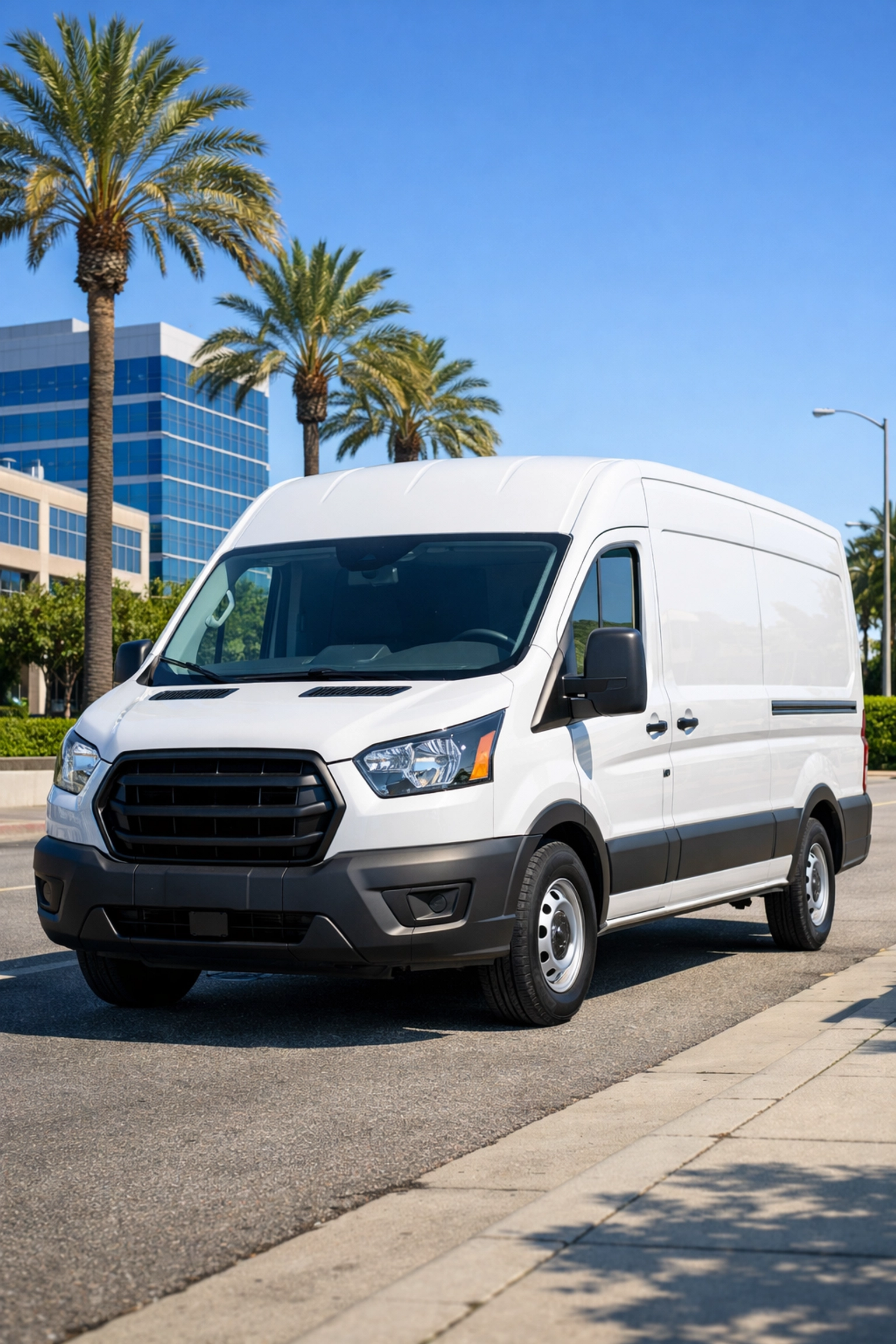
The Case for Buying: Ownership and Long-Term Value
Buying a vehicle requires a larger upfront investment, but it provides full control and long-term ownership.
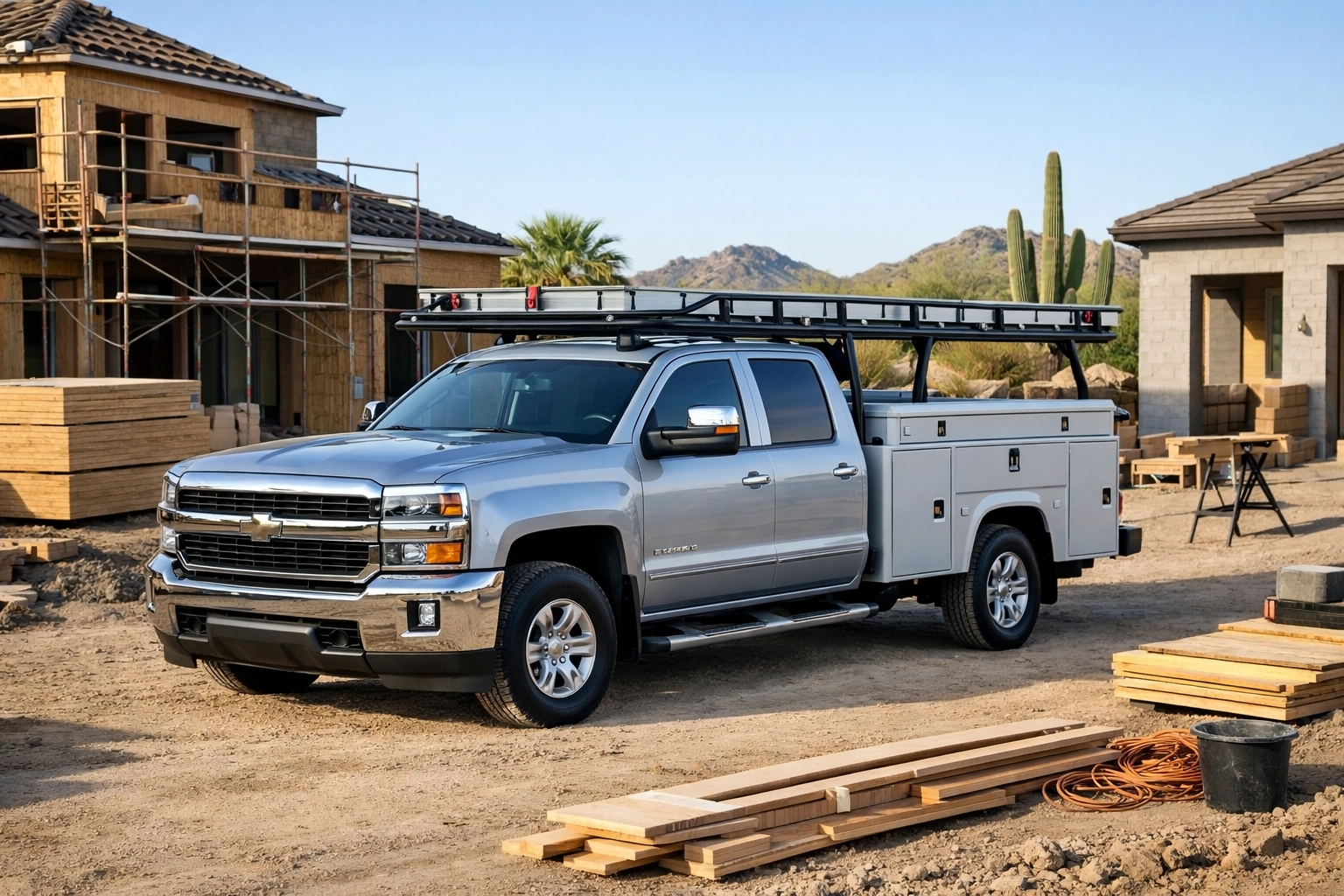
For contractors and businesses that modify vehicles with racks, tools, or equipment, ownership is often the more practical option.
Why Buying May Be Better
- Lower long-term cost: Once the vehicle is paid off, the monthly payment disappears.
- No mileage limits: You can use the vehicle however your business requires.
- Customization: You can add racks, towing packages, wraps, and other modifications without restrictions.
- Resale value: When it is time to upgrade, the vehicle can be sold or traded.
The Downsides of Buying
As vehicles age, maintenance costs increase and depreciation becomes your responsibility.
Tip: Many businesses create a dedicated maintenance budget to prepare for future repairs.
Insurance Implications: Leasing vs Buying
Regardless of whether you lease or buy, your business needs proper commercial auto insurance to protect against accidents, liability claims, and property damage.
Insurance for Leased Vehicles
Leasing companies typically require higher liability limits than the California state minimum. Many leasing contracts require $1,000,000 in combined single limit liability coverage.
They may also require gap coverage, which covers the difference between the vehicle's value and the remaining lease balance if the vehicle is totaled.
Insurance for Owned Vehicles
When you own the vehicle outright, you have more flexibility with coverage limits. However, that flexibility also means you must carefully evaluate your liability exposure.
Businesses should also consider Hired and Non-Owned Auto Coverage if employees use their personal vehicles for work-related tasks.
Important: Personal auto policies usually do not cover business activities.
Thinking Beyond the Monthly Payment
When deciding whether to lease or buy vehicles, it is important to look beyond the monthly payment.
- Tax considerations: Leasing and purchasing vehicles offer different tax advantages such as Section 179 deductions. A CPA can help determine which option works best for your business.
- Vehicle usage: Businesses that operate across state lines or transport equipment may require specialized coverage.
- Driver safety: Businesses with multiple drivers should implement training programs to reduce accidents and control insurance costs.
Choosing the Right Coverage for Your Business
Every business operates differently. A contractor with several trucks has very different insurance needs than a service business with one company vehicle.
Working with an independent insurance agency allows you to compare coverage options across multiple carriers and ensure your policy reflects how your vehicles are actually used.
Review Your Commercial Auto Insurance
If your business is adding vehicles, leasing new equipment, or expanding operations, it may be time to review your insurance coverage.
Request a quick policy review to make sure your commercial auto insurance aligns with how your business operates today.