
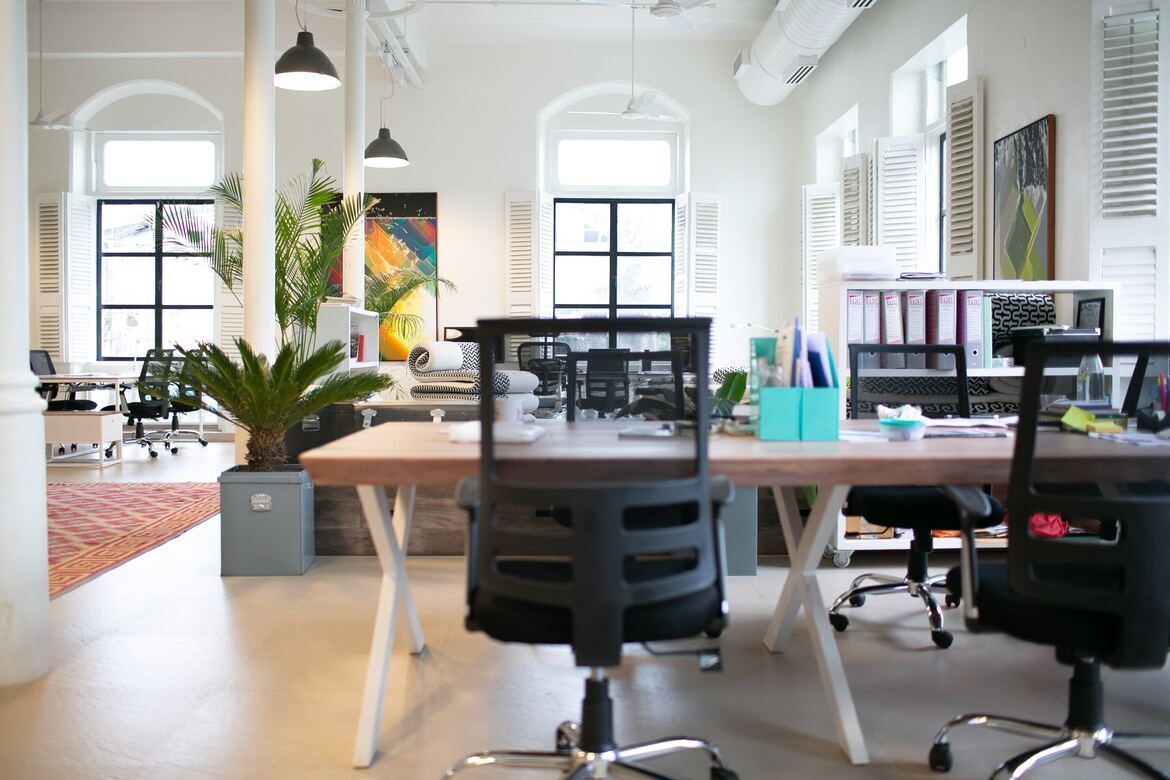
As your business grows, your space needs often change. A location that once felt like the perfect fit can eventually become crowded, inefficient, or limit future growth.
Moving into a larger office, warehouse, retail location, or commercial building is an exciting milestone. However, expanding your space often means your insurance needs change as well. Before signing a new lease or purchasing a larger property, it's worth reviewing how the move could affect your coverage.
1. Your Employees Are Running Out of Space
One of the first signs you've outgrown your current location is a lack of room for employees. Workstations become crowded, meeting rooms are constantly occupied, and common areas no longer support your team comfortably.
If you're hiring additional employees, remember that business growth can also increase your workers' compensation exposure and payroll estimates.
2. Your Storage Areas Are Full
Growing businesses naturally accumulate inventory, tools, equipment, furniture, and supplies. When storage begins spilling into offices, hallways, or work areas, productivity often suffers.
If you're purchasing additional inventory or equipment, review your Commercial Property Insurance limits to make sure your new assets are properly covered.
3. You're Turning Away Business Opportunities
Sometimes the biggest sign you've outgrown your space is having to say "no."
If you can't hire additional employees, add equipment, increase inventory, or expand services because your facility is too small, your location may be limiting your growth.
Planning ahead allows you to grow without disrupting daily operations.
4. Your Operations Have Changed
Businesses evolve over time. Contractors purchase additional tools, restaurants expand into catering, retailers carry more inventory, and service businesses add new equipment.
If your operations have changed significantly since you first purchased insurance, your policies should be reviewed to ensure they still reflect your current business.
This is also a good time to review:
- Business Personal Property limits
- Equipment coverage
- Inland Marine Insurance for tools and equipment
- General Liability coverage
5. Customer Experience Is Being Affected
For businesses that serve customers in person, space constraints can impact the customer experience.
Limited parking, crowded waiting areas, insufficient seating, or cramped retail displays can affect customer satisfaction and reduce efficiency.
A larger location may improve both operations and the overall customer experience.
Insurance Considerations Before You Move
Relocating or expanding your business often requires more than simply updating your address.
Depending on your situation, you may need to review:
- Commercial Property Insurance
- General Liability Insurance
- Workers' Compensation Insurance
- Commercial Auto Insurance
- Business Income (Business Interruption) coverage
Your lease may also require specific insurance endorsements such as Additional Insured, Primary and Non-Contributory wording, or Waiver of Subrogation.
Plan Ahead Before Signing a New Lease
Outgrowing your current location is often a sign your business is moving in the right direction. Planning ahead helps make the transition smoother while ensuring your insurance keeps pace with your growth.
If you're considering a larger office, warehouse, restaurant, or retail space, review your insurance before you move. Updating your coverage in advance can help avoid delays, coverage gaps, and unexpected surprises.
Review Your Coverage Before You Expand
If your business is relocating, expanding, or signing a new commercial lease, it may be time to review your insurance program.
Request a quick policy review to make sure your coverage reflects your new location, operations, and business goals.