
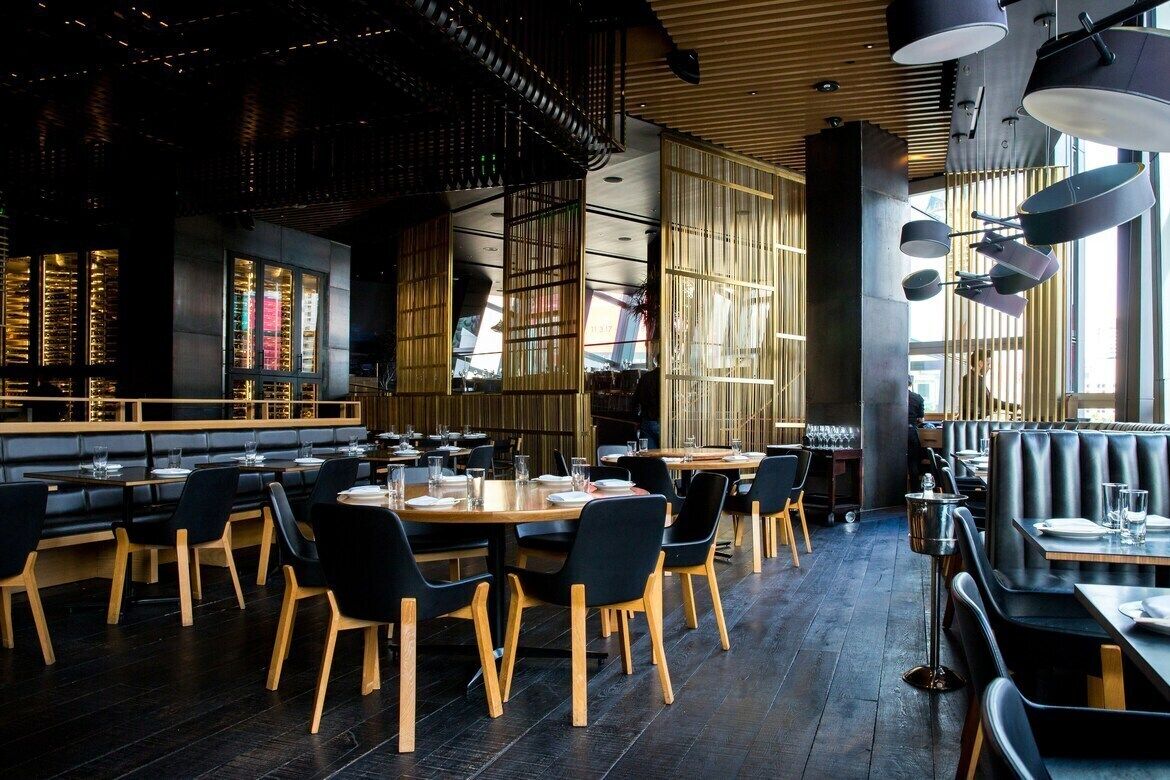
Running a restaurant involves much more than serving great food. Restaurant owners are responsible for employees, customers, equipment, property, deliveries, technology, and many other parts of the business.
With so many moving pieces, insurance can sometimes be overlooked until there is a claim, an audit, or a landlord requests updated coverage.
Here are seven common insurance mistakes California restaurant owners should review.
1. Assuming General Liability Covers Every Restaurant Risk
General liability insurance is an important part of a restaurant insurance program. It may help protect your business against certain third-party claims involving bodily injury or property damage.
However, general liability does not cover every exposure a restaurant faces.
Depending on your operations, you may also need commercial property, workers' compensation, liquor liability, commercial auto, cyber liability, employment practices liability, umbrella insurance, or other specialized coverage.
Your insurance program should reflect how your restaurant actually operates.
2. Not Reviewing Workers' Compensation as Payroll Changes
Restaurants can have frequent staffing changes involving cooks, servers, dishwashers, managers, hosts, delivery employees, and other workers.
California employers are generally required to carry workers' compensation insurance. Payroll and employee classifications can also have a significant impact on workers' compensation premiums.
If payroll changes substantially during the policy period, waiting until the audit to address it can result in an unexpected premium adjustment.
Restaurant owners should periodically review payroll and employee classifications with their insurance agent, especially when the business is growing or staffing levels change significantly.
3. Underinsuring Restaurant Equipment and Business Property
Restaurant equipment can be expensive to repair or replace. Refrigerators, freezers, ovens, cooking equipment, furniture, POS systems, inventory, and other business property can represent a significant investment.
Commercial property insurance can help protect covered business property against certain causes of loss, subject to the policy's terms, conditions, limits, and exclusions.
Restaurant owners should periodically review their property limits, particularly after purchasing new equipment, completing renovations, or making major improvements to the restaurant.
4. Overlooking Cyber Risks and the POS System
Restaurants increasingly rely on technology to process payments, accept online orders, manage reservations, communicate with customers, and operate point-of-sale systems.
That technology can also create cyber exposures.
A cyber incident may involve compromised payment information, ransomware, unauthorized access, phishing, or other disruptions to business systems.
Cyber liability insurance may provide important protection for certain costs and liabilities associated with covered cyber events.
Restaurant owners should consider cyber risk as part of their overall insurance program rather than assuming that a general liability or property policy automatically covers these exposures.
5. Assuming Liquor Liability Is Automatically Included
If your restaurant serves beer, wine, or liquor, it is important to understand how your policy addresses alcohol-related liability.
Liquor liability coverage may help protect a business against certain claims arising from the sale or service of alcoholic beverages, subject to the terms and conditions of the policy.
Restaurant owners should not assume this coverage is automatically included simply because the business has general liability insurance.
If your restaurant serves alcohol, review your policy to confirm whether liquor liability coverage is included and whether the limits are appropriate for your operation.
6. Ignoring Landlord and Lease Insurance Requirements
Commercial leases often contain specific insurance requirements for restaurant tenants.
A landlord may require certain liability limits, property coverage, additional insured status, primary and noncontributory wording, waiver of subrogation, or other policy provisions.
Restaurant owners should review these requirements with their insurance agent before signing a new lease whenever possible.
This can help identify requirements that may require additional coverage or endorsements before they become a problem.
7. Choosing Restaurant Insurance Based Only on Price
Price is important, but the least expensive policy is not always the best option for a restaurant.
Two insurance quotes with similar premiums may contain different deductibles, limits, exclusions, endorsements, and coverage options.
Working with an independent insurance agency can make it easier to compare more than just the premium and understand the differences between available options.
Review Your Restaurant Insurance Regularly
Restaurants change over time. You may hire more employees, purchase new equipment, add alcohol service, introduce delivery, renovate the property, increase sales, or adopt new technology.
Your insurance should change with your business.
At ECHO Insurance, we specialize in helping California businesses with commercial insurance, including restaurant insurance.
As an independent insurance agency, we can compare options from multiple insurance carriers and help you understand coverage available for your restaurant.
If you would like a second opinion on your current restaurant insurance or have questions about an insurance requirement, contact us. There is no obligation to change your current coverage.